Green
connections 2026
Energy - Rebuilt Like The Internet.
Reimagining the Future Energy Infrastructure Across the World
November 18th | 7:30 AM - 11:00 AM (PST)
Green Connections 2026: EnergyNet
What if our electricity system worked more like the internet, with local networks that can produce, store, manage, and share energy, while also connecting to a larger network?
Join Green Connections 2026, a free international online event bringing together experts and industry leaders from Europe and North America to explore a new approach to the future of energy infrastructure.
This year's theme, EnergyNet, explores how local energy systems can be interconnected to create a more flexible, resilient, and efficient electricity network.
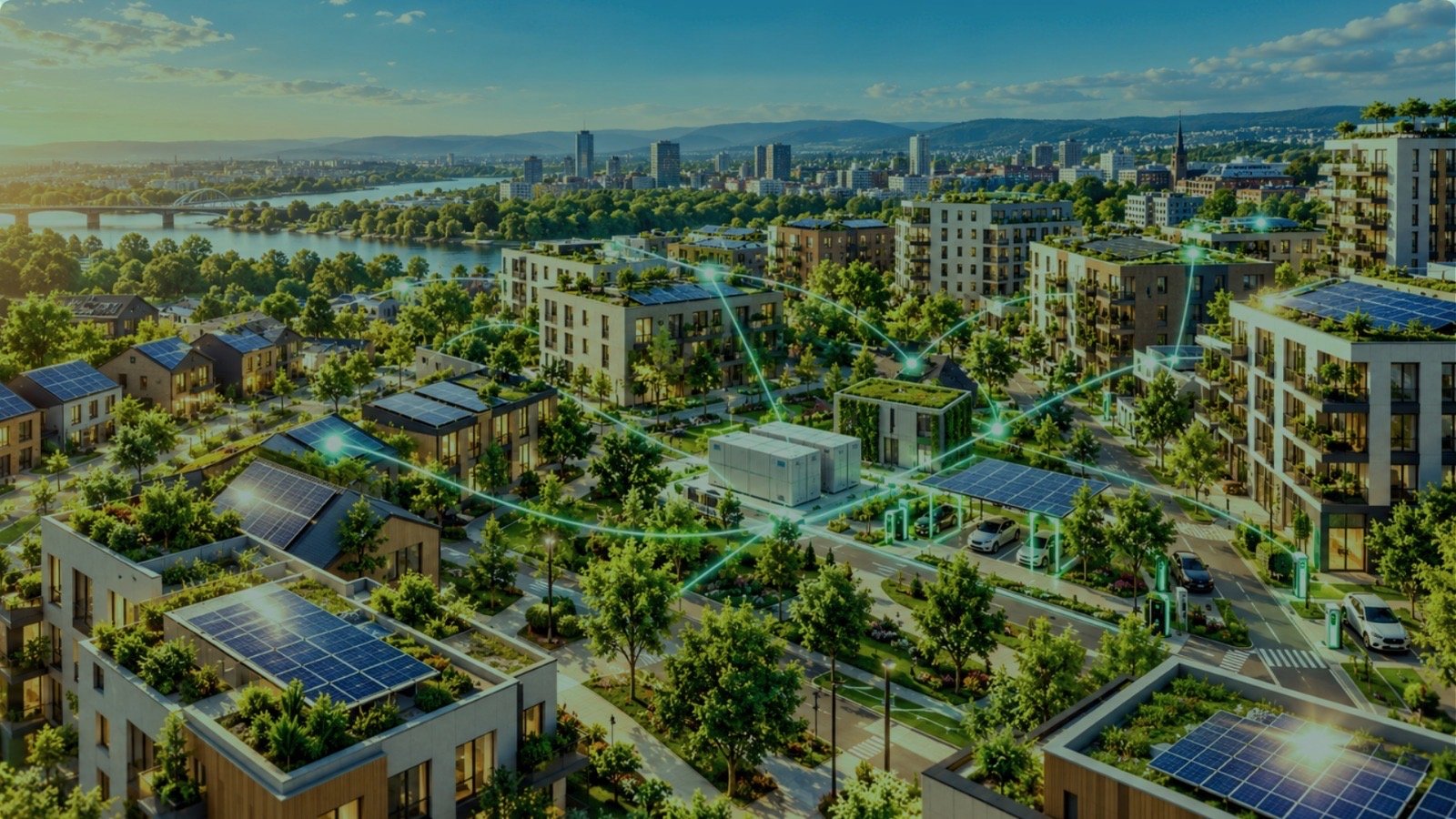
And this isn't just a vision for the future. The world's first EnergyNet is already operating in Brunnshög, Lund, Sweden, where buildings with solar generation and battery storage can produce, store, and share electricity locally. A second, larger residential implementation at Pottugnen in Lund is underway.
Through these real-world projects and perspectives from Europe and North America, Green Connections 2026 will explore what it could take to bring this new energy infrastructure to a much larger scale.
Beyond the Microgrid
Microgrids and local energy communities already allow buildings and communities to generate, store, and manage electricity locally.
EnergyNet takes the concept a step further.
Inspired by the architecture of the internet, EnergyNet is designed to connect multiple local energy systems into a broader decentralized network. Instead of remaining isolated energy islands, these local networks can become part of an interconnected energy system while remaining connected to the traditional electricity grid.
At Brunnshög, electricity is produced, stored, and shared through a parallel local network, with an energy router providing the connection to the wider grid. The system uses an open energy protocol inspired by the same principles that allow information to move across the internet.
The vision is an electricity system where energy can increasingly be produced locally, managed intelligently, shared efficiently, and connected broadly.
But making that vision possible requires more than technology. It requires investment, viable business models, supportive policies, and collaboration between energy companies, property owners, communities, technology providers, entrepreneurs, governments, and investors.
-
This year's Green Connections will take place on November 18th from 7:30 AM to 11:00 AM PST. The event will take place online, so you can join us from anywhere around the world.
-
Registration for the event Green Connections 2024 is now open. Click here to sign up!
-
How fun! We’d love to discuss sponsorship opportunities with you. Please view our sponsor pamphlet here for more information.
-
The event is cost free, so make sure to register here!
From Pilot to Scale
The EnergyNet journey has already begun.
Brunnshög, Lund
The world's first EnergyNet was inaugurated in 2025 as part of CoAction Lund. The project connects properties with solar generation and battery storage, enabling locally generated electricity to be shared between buildings.
Pottugnen, Lund
The next step is a larger residential deployment, building on the experience from Brunnshög and applying the EnergyNet model on a larger scale.
These projects take the EnergyNet conversation beyond theory and raise a much bigger question:
Could interconnected local energy networks become an important part of the electricity infrastructure of the future?
What We'll Explore
Beyond the Microgrid: How interconnected local energy networks could complement today's centralized electricity grid.
EnergyNet in Practice: What we're learning from Brunnshög and the next implementation at Pottugnen.
Solar, Storage & Smart Technology: How distributed energy resources can be produced, stored, managed, and shared locally.
From Pilot to Scale: What it takes to move from individual projects and energy communities toward much larger interconnected networks.
Investment & Venture Capital: What investors look for, how energy innovation gets funded, and what it takes to move promising technologies and business models from pilot projects to scale.
Policy & Regulation: How regulation can enable or hinder new approaches to electricity generation, sharing, and distribution.
International Perspectives: What Europe and North America can learn from each other as energy systems evolve.
Why Attend?
The transition toward a more decentralized and interconnected electricity system presents major challenges, but it could also create significant opportunities for innovation, investment, real estate, and new business models.
At Green Connections 2026, you'll:
See EnergyNet in the real world: Learn from projects already putting these ideas into practice.
Go beyond the microgrid: Explore what becomes possible when local energy systems can connect and work together.
Explore the path to scale: Understand what needs to happen technologically, financially, and politically for EnergyNet to expand.
Hear the investor perspective: Learn how venture capital evaluates emerging energy technologies and what it takes to attract investment.
Gain international perspectives: Hear different approaches and experiences from Europe and North America.
Connect technology with business: Explore how energy, real estate, technology, finance, government, and communities intersect in the energy transition.
Whether you work in energy, technology, real estate, venture capital, investment, government, or sustainability, or are simply interested in where our electricity infrastructure is heading, Green Connections 2026 offers an opportunity to explore an emerging model for the future of energy and hear from people working to make it happen.
Mathias Sundin
Editor-in-chief, Warp News - fact-based optimistic news
Mathias Sundin is editor-in-chief of Warp News, a former member of the government’s AI Commission, and a former member of parliament. He is the author of the AI books The Fifth Acceleration and The Centaur’s Edge.
Gunilla Flygare
Head of Business Development and Deputy CEO
Gunilla Flygare is a business development leader with a background in surveying (MSc). She currently works as Head of Business Development and Deputy CEO at a municipally owned housing company in Lund, managing around 12,000 homes.
Her role centres on driving the development of new housing projects and leading work within sustainability, communication, procurement, and digitalisation.
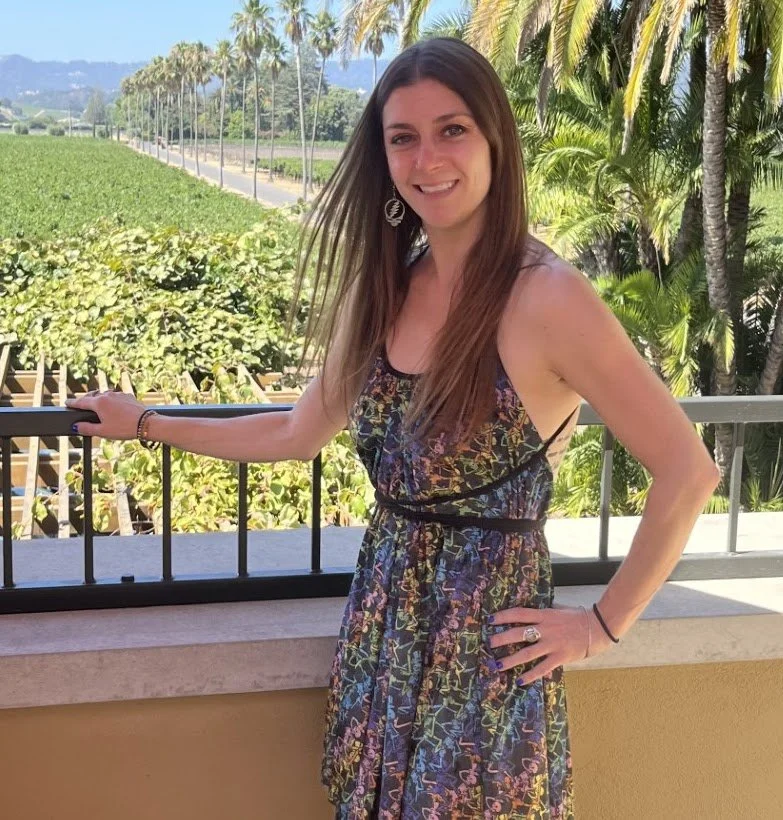
ALLIE DETRIO
Founder & Chief Strategist, Reimagine Power
Allie Detrio is the Founder & Chief Strategist of Reimagine Power, a San Francisco-based microgrid and cleantech policy consulting firm. With more than 17 years of industry experience, she leads a team focused on advancing clean energy, resiliency, and innovative energy policy.
Detrio is an award-winning advocate and recognized leader in microgrid policy. She played a key role in passing California’s landmark microgrid legislation (SB 1339) and its $800M energy storage program expansion (SB 700), and more recently helped shape Oregon’s landmark microgrid legislation. Her work has also contributed to community energy resilience programs and microgrid initiatives across California, Oregon, Colorado, and Hawaii.
She holds a B.S. in Sustainability from Arizona State University, with minors in Economics, History, and Philosophy.
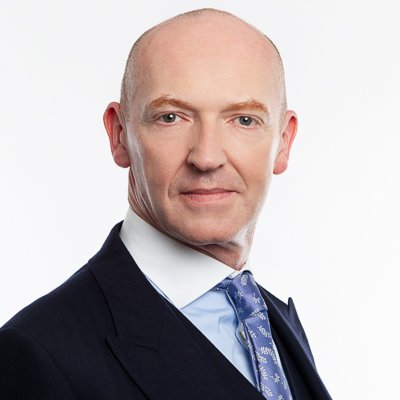
Christopher Nicholson
Founder and Managing Director, ACF Equity Research
Christopher Nicholson is the founder and MD of ACF Equity Research, an independent research house which gives nano- to mid-cap companies, private and public, a voice with institutional investors. He has decades of experience working in the technology, biotech, cleantech, energy and extractives sectors, advising leadership teams on listing, raising investments, improving liquidity and good governance. A scientist and economist by training, he works at the intersection of capital markets and innovations which are shaping the future of business.
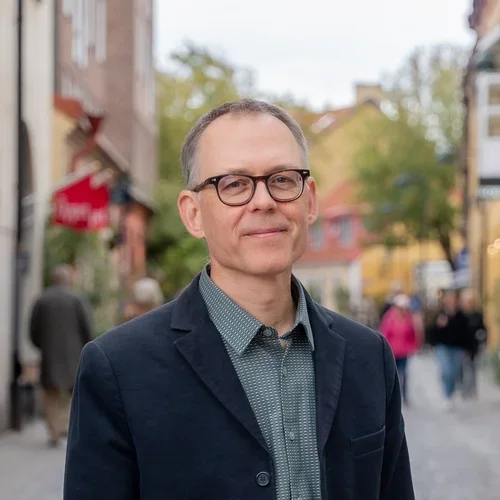
Dr. Markus Paulsson
Energy Strategist, City of Lund
Markus Paulsson holds the position as Energy Strategist at the City of Lund since 2014. He is also project manager for CoAction Lund since 2023, a large-scale system demonstrator for climate neutral cities. With a science background and a PhD in Plant Physiology, experiences from industry and now from municipality he has the ability to get all three sectors to work together, something that is much needed in today’s society.
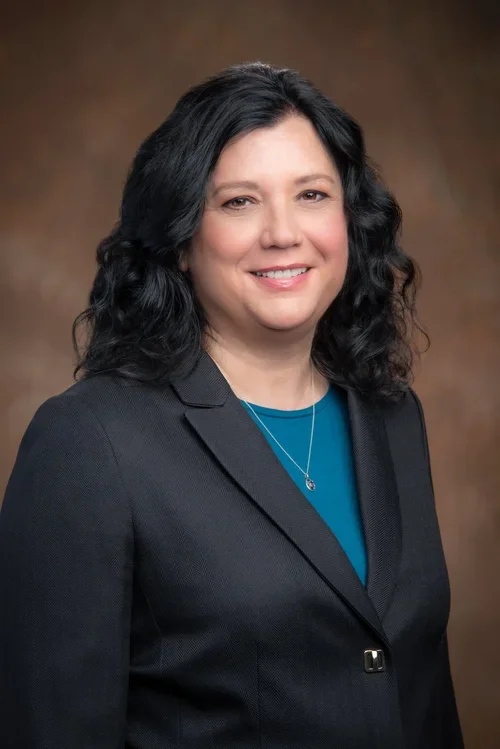
Angelina M. Galiteva
Founder and Board Chair of Renewables 100 Policy Institute
Angelina M. Galiteva is Founder and Board Chair of the Renewables 100 Policy Institute and CEO of California’s Alliance for Renewable Clean Hydrogen Energy Systems (ARCHES), leading efforts to accelerate the transition to clean energy and a carbon-free economy. Under her leadership, ARCHES secured a historic $1.2 billion federal award and $12 billion in matching public and private investments.
An internationally recognized expert in renewable energy and energy policy, Ms. Galiteva served on the California Independent System Operator (CAISO) Board from 2011 to 2026, including as its first female Board Chair. She also chairs the World Council for Renewable Energy and holds JD and LL.M. degrees in Energy and Environmental Law from Pace University.
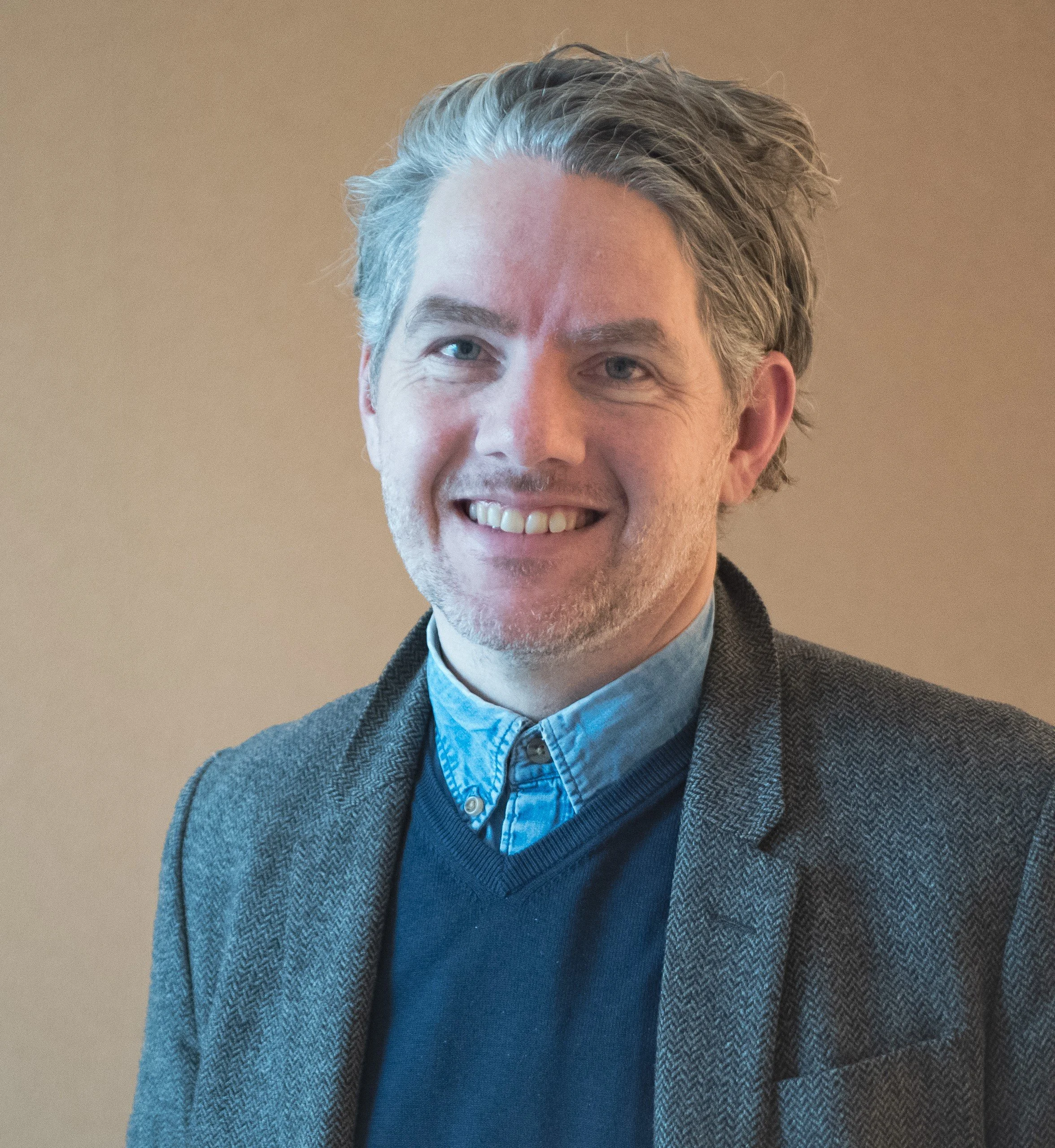
Henrik Adamsson
Head of Energy & Property Technology, Lunds Kommuns Fastighets AB
Henrik Adamsson is Head of Energy & Property Technology at Lunds Kommuns Fastighets AB (LKF), one of Sweden's leading municipal housing companies. In this role, he leads the strategic development of energy management, property technology, building performance, and sustainability initiatives across a large residential property portfolio.
With a strong focus on turning ambitious sustainability goals into practical results, Henrik works at the intersection of energy transition, digitalization, smart buildings, and long-term asset management. His experience spans energy efficiency, renewable energy solutions, technical innovation, and the implementation of robust operational strategies that create value for both organizations and residents.
Henrik is a recognized voice in discussions around sustainable housing, resilient building operations, and the future of energy-smart communities. He is passionate about bridging strategy and execution, ensuring that innovation leads to measurable impact.
Speakers

Sponsors
Partners